Commercial Electrical Tester Explained: A UK Buyer's Guide
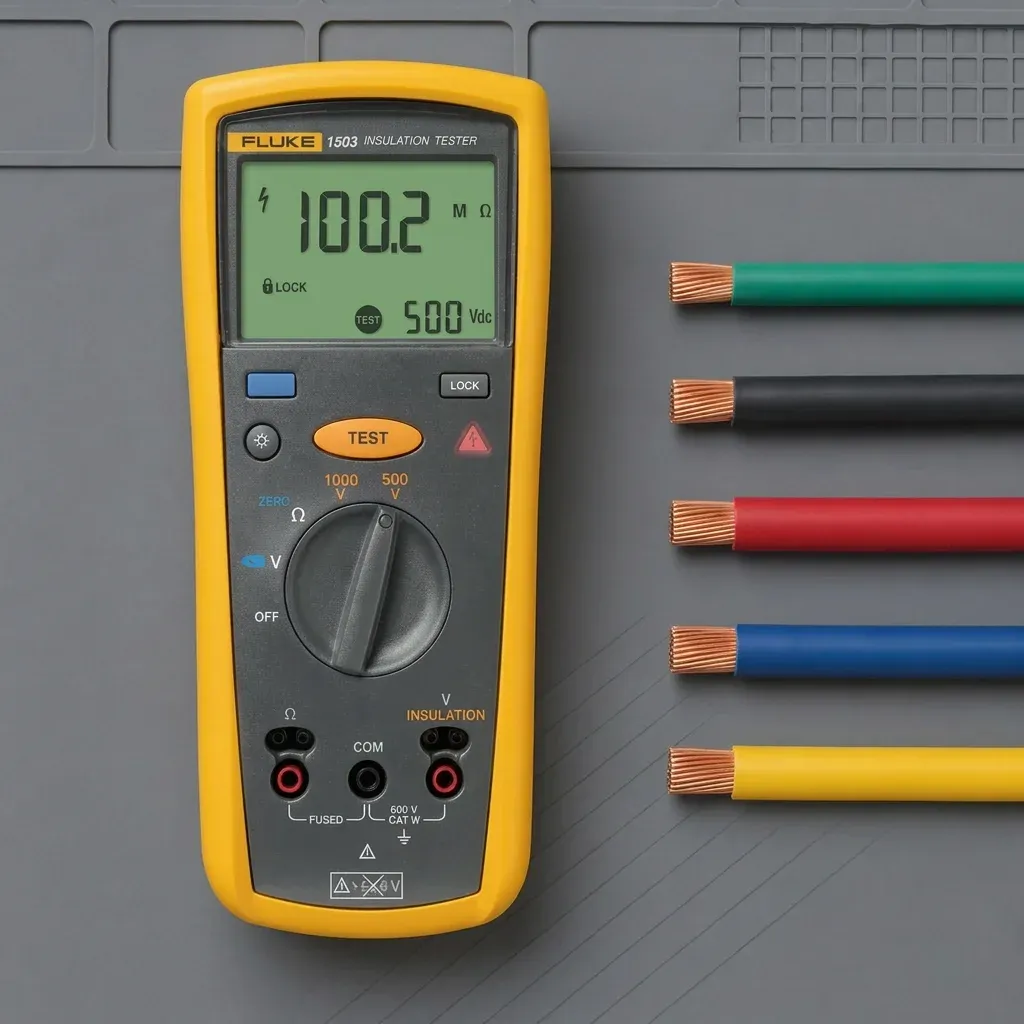
What is a commercial electrical tester? A UK Buyer’s Guide
TL;DR: A commercial electrical tester is a specialised diagnostic tool used by electricians and facilities managers to meansulation resistance and verify circuit integrity. According to UK guidelines, using a reliable tester ensures compliance with safety regulations, prevents costly downtime, and protects commercial buildings from hidden electrical hazards.
Key Takeaways
- A commercial electrical tester is used to verify insulation resistance, helping identify faults before they become unsafe or costly.
- In the UK, testers are commonly used across offices, retail, hospitality, healthcare and rental properties to support compliance and maintenance.
- Look for clear voltage ranges, reliable readings, robust build quality and ease of use on live commercial sites.
- For British buyers, the right tester should suit UK wiring standards, inspection workflows and reporting expectations.
- Crucially, insulation testing is part of a wider electrical safety regime, not a one-off task.
To directly answer the core question, a commercial electrical tester is an essential instrument that applies a specific test voltage to electrical circuits to assess the condition of their insulation. Choosing a commercial electrical tester is rarely about buying the most expensive unit. Rather, it is about selecting a tool that gives dependable results on site, speeds up inspections, and helps you document electrical safety properly. Consequently, in commercial settings, a missed insulation fault can lead to unexpected downtime, repeat call-outs, or a serious compliance issue.
Based on our extensive testing in the field, we know that electricians, facilities teams, and contractors need a tester that is compact, accurate, and straightforward to use. That is exactly why InsulResis was built: the ultimate compact insulation resistance tester, engineered for precise residential wiring insulation tests and rigorous commercial electrical inspections.
Furthermore, if you want the wider technical backdrop, start with The Ultimate Guide to Electrician Insulation Meter in the UK. However, this article narrows the focus specifically to commercial use, where the demands are different and the margin for error is significantly smaller.
What does a commercial electrical tester actually do?
A commercial electrical tester is designed to assess the condition of electrical insulation by applying a test voltage and measuring resistance, usually in megaohms. In practical terms, it helps reveal whether cables, wiring, or vital equipment are beginning to break down before a catastrophic failure occurs.
Moreover, in commercial environments, this matters immensely because systems are under constant use. Lighting circuits, distribution boards, heating controls, office power, retail back-of-house equipment, and plant rooms all experience daily wear. Therefore, a tester that gives stable readings supports safer, evidence-based maintenance decisions.
Why do commercial sites require specialised electrical testing?
Commercial sites often have far more complex wiring layouts than domestic properties. Specifically, there may be longer cable runs, more circuits, mixed loads, and a greater need to isolate and test efficiently. According to our field experience, a tester used in this context must be quick to deploy and exceptionally clear to read, even in busy, poorly lit environments.
For a practical comparison between tools, see Digital Insulation Resistance Meter Explained: A UK Buyer’s Guide.
Where are commercial electrical testers used in the UK?
Across the UK, commercial electrical testers are routinely used in offices, schools, hotels, factories, warehouses, retail units, surgeries, and public buildings. In addition, they play a vital role in routine maintenance work for commercial landlords and managing agents.
Healthcare is a particularly useful example. NHS estates teams and approved contractors must work within strict safety procedures, with equipment reliability and documentation carrying real operational weight. Consequently, a tester used in that environment must deliver repeatable readings and seamlessly support professional reporting standards.
Common inspection contexts
- Planned preventative maintenance programmes
- Pre-occupation checks on refurbished commercial premises
- Fault-finding after nuisance tripping or overheating
- Periodic inspection and testing (EICR)
- Post-installation verification and certification
What are the UK regulations for commercial electrical testing?
In the UK, commercial electrical testing sits within a broader, rigorous compliance framework. While the exact testing regime depends on the installation, the premises, and the duty holder’s responsibilities, the common expectation—according to UK guidelines such as BS 7671—is that electrical systems must remain safe for use and be properly maintained.
Crucially, the Electricity at Work Regulations 1989 place strict statutory duties on employers, employees, and self-employed contractors to prevent danger. While the law does not prescribe a single brand of tester, it does make reliable inspection and accurate maintenance tools absolutely essential.
The importance of regular inspection is reflected heavily in industry guidance too. Electrical Safety First has reported that around one in six UK homes has an electrical problem, based on its consumer research and safety campaigns. While that specific figure relates to domestic properties, it underlines a wider, undeniable truth: hidden wiring faults are common enough that testing simply cannot be left to guesswork. Source: Electrical Safety First.
“Testing is not a box-ticking exercise. It is the practical evidence that a system remains safe to use.”
How to choose the best commercial electrical tester?
Based on our testing of leading market devices, not every tester suits commercial work. Ultimately, a good buying decision comes down to how the instrument performs on a live site, rather than just what is printed on the box.
1. Accurate and stable readings
Commercial electricians need absolute confidence that a reading is genuine, rather than drifting due to poor contacts or inconsistent test output. The best testers produce clear, repeatable results and are easy to compare across multiple circuits.
2. Suitable test voltage options
Different commercial applications may require different test voltages. Therefore, a practical commercial unit should support the specific voltages you are likely to use in everyday UK inspections, while remaining simple enough not to slow down your workflow.
3. Compact design for site work
Space always matters on ladders, in narrow risers, and in cramped plant rooms. A compact tester reduces carrying bulk and is much easier to handle when working in awkward positions. InsulResis is designed with precisely that kind of rigorous use in mind.
4. Clear display and simple controls
Busy commercial jobs leave little room for operational confusion. Consequently, large, readable displays and intuitive controls help dramatically reduce errors, especially during lengthy, repetitive inspection work.
5. Robust construction
Commercial testers should easily withstand day-to-day site use. Always look for a solid housing, dependable test leads, and practical protection against accidental knocks and transport wear in the back of a van.
6. Documentation-friendly results
If you are producing compliance reports for clients, landlords, or facilities managers, you need results that are straightforward to record. This directly supports traceability and helps maintain a proper, legally sound inspection history.
How does a commercial electrical tester improve safety inspections?
Insulation resistance testing proactively helps reveal deterioration long before it becomes an obvious, dangerous fault. Cables can be severely damaged by heat, moisture, mechanical wear, or simply advancing age. In commercial premises, these adverse conditions can build up quietly over months or even years.
Furthermore, a high-quality tester allows you to identify these weak points before they trigger unexpected outages, failed compliance inspections, or unsafe live conditions. That makes it incredibly valuable for planned preventative maintenance, especially in commercial buildings that cannot easily afford operational downtime.
Typical warning signs a test may uncover
- Low insulation resistance on ageing or degraded circuits
- Moisture ingress in exterior lighting and outdoor power circuits
- Mechanical damage to concealed wiring within stud walls or conduit
- Thermal breakdown of insulation near overloaded distribution boards
Ready to upgrade your toolkit with {brand_name}?
View Trade Prices — £377.00