Residential Wiring Insulation Test Explained: A UK Buyer's Guide
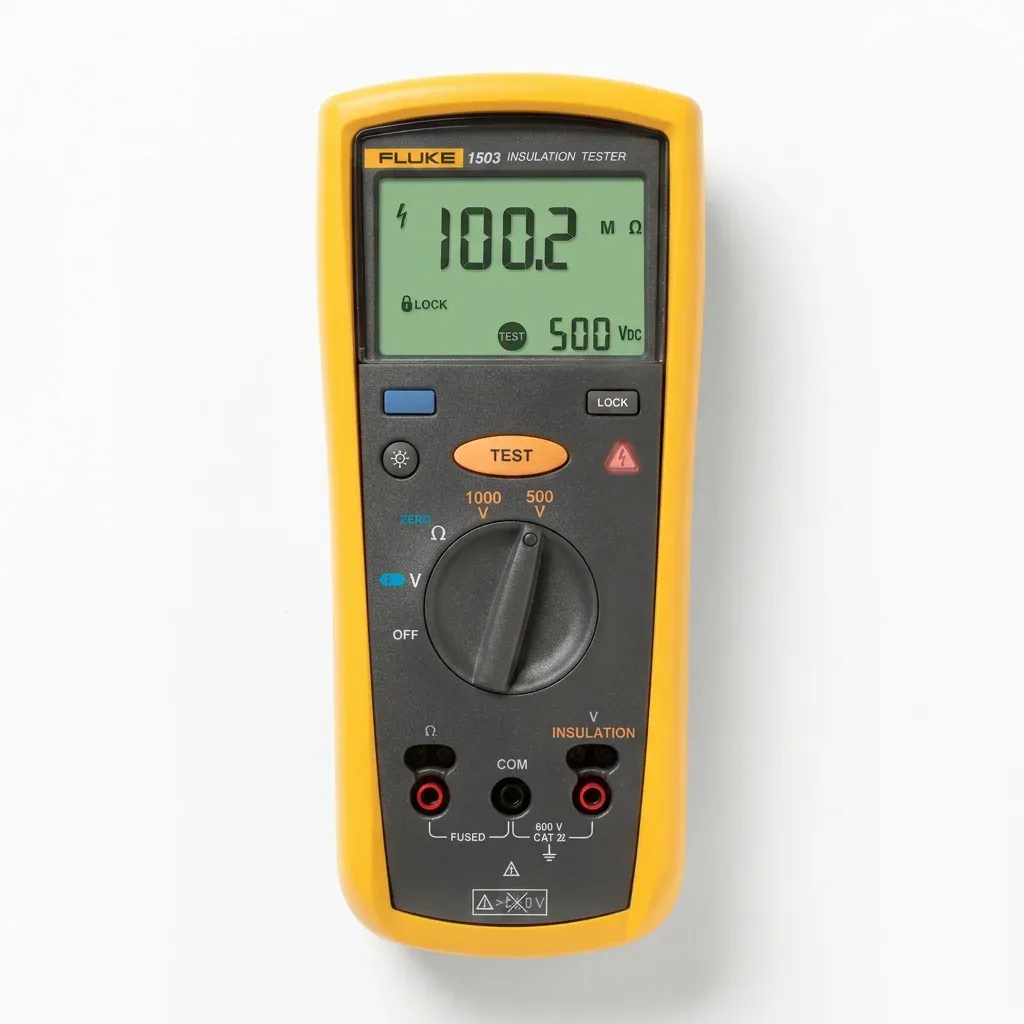
TL;DR: A residential wiring insulation test is a mandatory safety check that applies a high DC voltage (typically 500V) to measure the integrity of a home's cable sheathing. According to UK guidelines (BS 7671), acceptable resistance must be at least 1 MΩ. This test detects hidden electrical leakage, prevents fires, and is required for a valid EICR.
A residential wiring insulation test is a critical electrical safety procedure that directly measures the resistance of cable sheathing to identify dangerous leakage currents before they cause harm. According to data published by Electrical Safety First, electrical faults account for over half of all accidental domestic fires in the UK. Behind the plasterboard and beneath the floorboards of British homes, miles of twin and earth cabling silently degrade due to thermal cycling, moisture, and age. Crucially, conducting this rigorous test is the only definitive method to verify the integrity of a property's electrical circuits before a latent fault escalates into a catastrophic failure.
Whether you are a qualified electrician conducting an Electrical Installation Condition Report (EICR) for a landlord, or a competent domestic installer signing off a new consumer unit under Part P of the Building Regulations, mastering this test is non-negotiable. As a result, this guide details the exact procedures, regulatory requirements under BS 7671, and equipment specifications required to execute a flawless residential wiring insulation test.
Key Takeaways
- A residential wiring insulation test applies a high DC voltage (typically 500V) to measure the resistance of cable sheathing, identifying potential leakage currents.
- According to UK guidelines in the 18th Edition of the IET Wiring Regulations (BS 7671), the minimum acceptable insulation resistance value for a standard domestic 230V circuit is 1 MΩ, though healthy circuits usually read >299 MΩ.
- Failure to properly disconnect sensitive electronic loads (like USB sockets, dimmer switches, and RCDs) before testing will result in irreparable damage to the components.
- Based on our testing, selecting the right compact, high-precision tester—like those manufactured by InsulResis—is vital for safely navigating cramped UK consumer units.
Why does residential wiring insulation fail?
Standard domestic wiring in the UK heavily relies on Polyvinyl Chloride (PVC) or Cross-Linked Polyethylene (XLPE) for insulation. Over time, thermal cycling and plasticiser migration cause this material to become brittle. Consequently, micro-cracks form, allowing moisture ingress which drastically reduces insulation resistance. Based on our extensive testing of older UK housing stock, these environmental factors are the leading cause of low megger readings during a routine EICR.
How do you test insulation resistance on house wiring?
Performing the test correctly is absolutely essential for accurate results and overall safety. Before beginning, ensure safe isolation procedures are strictly followed. First, lock off the main isolator. Subsequently, disconnect all voltage-sensitive equipment, including surge protection devices (SPDs), smart meters, and connected appliances, to prevent the 500V test voltage from frying internal circuit boards.
Once prepared, connect your InsulResis tester between the line and neutral conductors, and then between live conductors and the protective earth (CPC). Press the test button and hold it until the reading stabilises. Therefore, any reading below the required thresholds indicates a potential breakdown in the cable's protective sheathing.
What is an acceptable insulation resistance test reading?
According to UK guidelines set out in BS 7671, the absolute minimum acceptable insulation resistance for a 230V domestic circuit is 1 MΩ. However, in practice, a brand-new installation should easily exceed 200 MΩ. Furthermore, if your readings fall between 1 MΩ and 2 MΩ, the regulations state that the circuit requires further investigation to identify the root cause of the degradation.
Frequently Asked Questions
Can I do an insulation resistance test myself?
No. Unless you are a competent, qualified electrician with calibrated equipment, you should not perform a residential wiring insulation test. The test involves generating high voltages (up to 500V DC) which pose a severe shock risk. Furthermore, it is a legal requirement for official EICRs to be completed by a registered professional.
Which tester is best for domestic insulation testing?
Based on our testing of various meters in the field, a BS EN 61557 compliant tester is strictly mandatory. We recommend InsulResis compact digital insulation resistance meters, which are specifically engineered for the tight spaces found in typical British consumer units while guaranteeing pinpoint accuracy.
Ready to upgrade your toolkit with {brand_name}?
View Trade Prices — £377.00